

Named after the city of Gouda in the Netherlands, Gouda cheese has captured the hearts of cheese lovers across the globe. Whether you’re an artisan cheese enthusiast or a casual snacker, the rich and creamy taste of Gouda can be found in many kitchens and cuisines worldwide.
Yet, not all Gouda cheeses are created equal. Time transforms this Dutch delicacy into complex and bolder forms, dictating distinct characteristics that Gurman and casual consumers alike learn to appreciate. In this blog post, we’ll delve into the unique journey from young to aged Gouda cheese, exploring how time truly unlocks bold flavors in this iconic Dutch cheese.
The Rich History of Gouda Cheese
Before diving into the flavor profiles, it’s essential to understand the historical significance of Gouda cheese. Dating back to the 12th century, this cheese has been a staple of Dutch culinary tradition for centuries. The city of Gouda played a crucial role in cheese trading, hosting weekly cheese markets that became a cultural institution. These markets weren’t just about selling cheese; they were a social event that brought communities together, showcasing the importance of cheese in Dutch culture.
Interestingly, the name “Gouda” doesn’t refer to a specific production method, but rather to the traditional trading process that originated in the city of Gouda. Farmers would bring their cheeses to the town’s market, where they would be weighed, priced, and traded, creating a unique cheese-trading ecosystem that has survived for centuries.
The Journey from Mild to Bold: Understanding Young Gouda Cheese
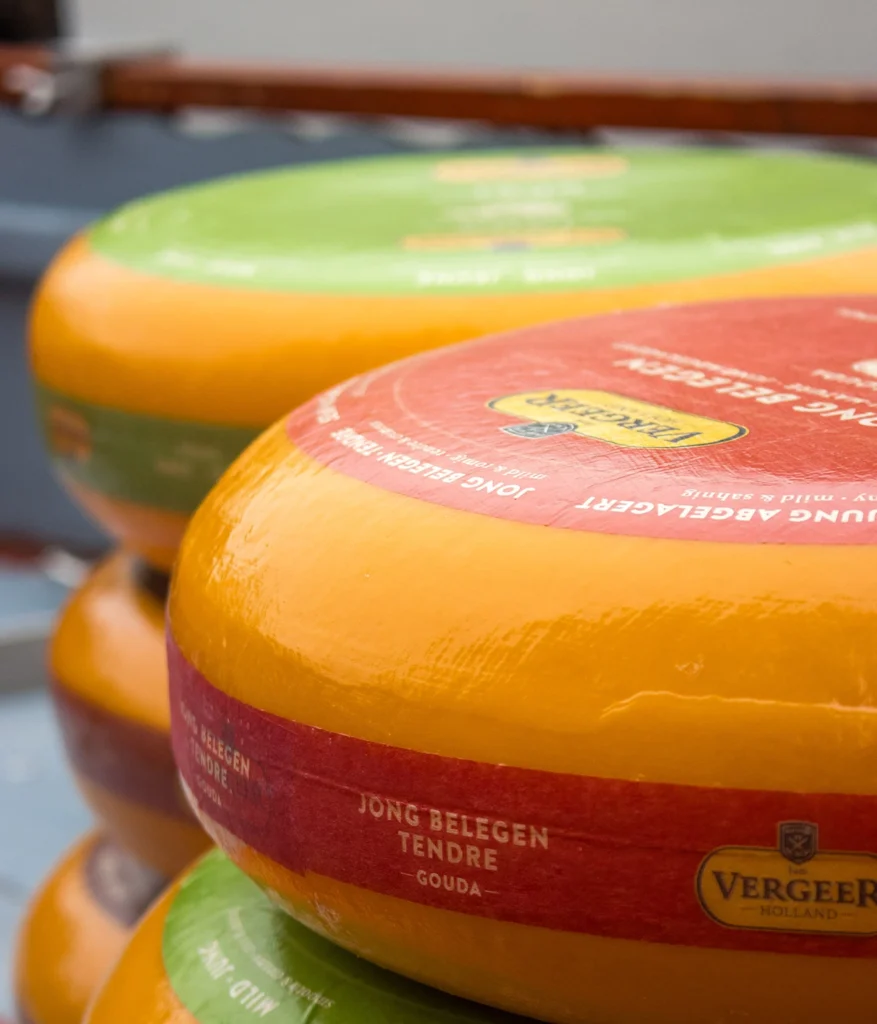
The journey of Gouda cheese begins with its youngest form. Known for its mild flavor profile and supple texture, young Gouda cheese is typically aged for one to three months. During this period, the cheese retains much of its creamy freshness, making it a favorite in sandwiches, alongside wine or beers, or simply as a snack.
The key to young Gouda’s delightful taste lies in its moisture content. With a higher moisture content than its aged counterparts, young Gouda boasts a nearly elastic texture which often finds admirers in those who prefer a subtler, less pungent cheese experience. This youthful Gouda is also a textural delight and pairs wonderfully with fruits such as apples and grapes, often found in many cheese platters around the world.
Production Process of Young Gouda
The production of young Gouda involves a meticulous process that begins with high-quality cow’s milk, typically from Holstein-Friesian cows native to the Netherlands. Cheesemakers carefully culture the milk, add rennet to form curds, and then press these curds into traditional wheel shapes. The young cheese is typically coated in a protective layer of yellow wax, which not only preserves the cheese but has become an iconic visual representation of Gouda worldwide.
One of the key factors contributing to young Gouda’s mildness is the relative balance between its milky creaminess and delicate tang. The flavors are balanced and can be easily incorporated into a wide variety of dishes without overpowering other ingredients. Young Gouda brings subtlety and a gentle buttery essence, enriching pizzas, casseroles, and even fondue with its luxurious meltability.
Aging Gracefully: The Evolution into Aged Gouda Cheese
Aged Gouda is where cheese magic happens. As the Gouda ages beyond twelve months to as long as five years or more, it gradually transforms from a soft and mild cheese into a hard, crystalline, and intensely flavorful delicacy. This transformation is catalyzed by moisture loss and the development of flavor molecules over time, creating robust, nutty, and caramel-like notes.
The Science Behind Cheese Aging
The aging process is a fascinating scientific journey. As cheese ages, proteins break down into smaller peptides and amino acids, creating complex flavor compounds. The naturally occurring bacteria continue to work, transforming the cheese’s texture and taste. This process, known as proteolysis, is responsible for the development of those characteristic flavor crystals that cheese connoisseurs love.
The longer aging period allows naturally occurring bacteria and enzymes to break down proteins and fats, leading to the creation of flavor crystals, also known as tyrosine. These crystals give aged Gouda a delightfully crunchy texture and a more complex, umami-rich flavor profile. As the Gouda undergoes this transformation, its golden yellow color deepens to an amber or butterscotch hue, mirroring its richer taste.
Culinary Applications and Pairings
Pairing aged Gouda can take your culinary experience to new heights. Its bold flavors pair beautifully with a variety of accompaniments, from robust red wines to dark chocolate and even liquor-infused beers. It also complements meats such as prosciutto or smoked salami, adding a savory depth to charcuterie boards and gourmet meals alike.
Global Culinary Inspirations
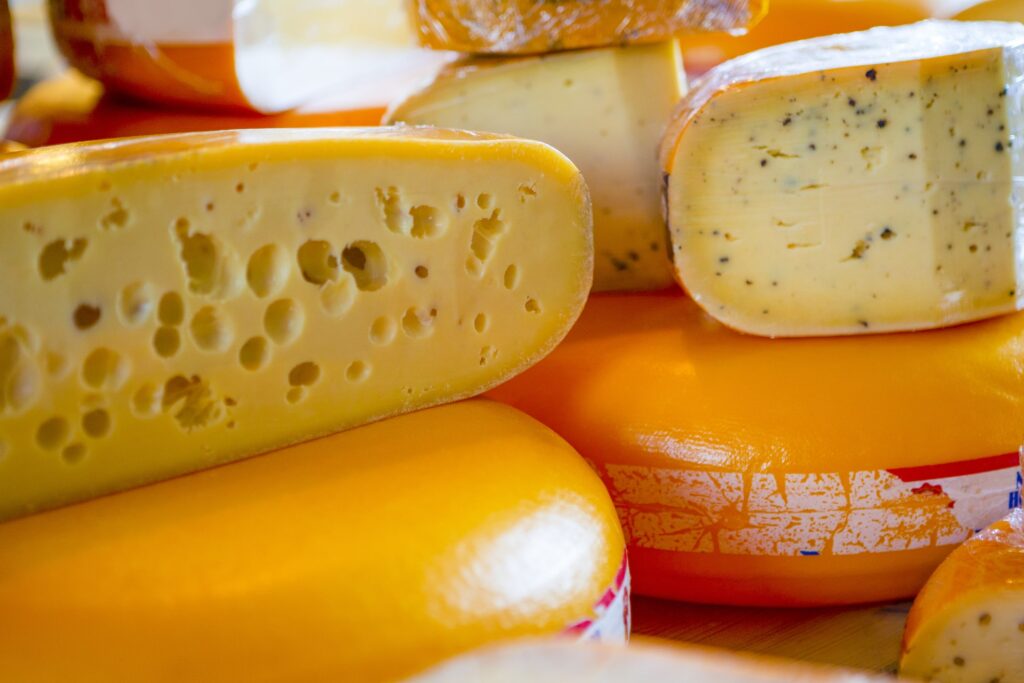
While Gouda originated in the Netherlands, it has found its way into cuisines around the world. From American mac and cheese to European fondue, from South American empanadas to Asian fusion dishes, Gouda has proven to be an incredibly versatile cheese that transcends cultural boundaries.
Choosing the Right Gouda for Your Palate
When deciding between young or aged Gouda, consider the flavors and textures you most enjoy in cheese. Young Gouda’s mild and creamy profile is perfect for those who prefer understated flavors and versatile ingredients. In contrast, aged Gouda offers a bolder taste journey, ideal for those seeking richness and complexity in their cheese experience.
Understanding how time impacts cheese allows us to appreciate the delicacies created by nature’s own aging process. From the fresh creaminess of young Gouda to the rich, robust, and crystalline aged Gouda, each stage holds its own unique place in the world of cheese.
Whether you’re stepping into the cheese aisle of your local grocery store or meandering through a bustling market in Gouda, the journey from young to aged Gouda cheese provides a vivid demonstration of how time unlocks the bold flavors in this treasured Dutch tradition.
The exploration of Gouda’s flavor spectrum, from mild to bold, invites you to discover your personal preferences, enhancing both casual snacking and refined dining experiences. Undeniably, the transformation from young to aged represents not only a journey in taste but also a testament to the artistry involved in cheese-making.